



The project Caminhos do Cuidado, aimed at training community agents and nursing auxiliaries and technicians on mental health (crack, alcohol and other drugs), gets to the end of this year with a total of 237,175 professionals trained. About 290,000 vacancies were offered all over Brazil since the activities started, in 2013.
This effort for training health professionals comes from the challenge that the drugs issue represents in Brazil. The partnership among the Ministry of Health, the Institute of Scientific and Technological Communication and Information in Health (Icict/Fiocruz) and Grupo Hospitalar Conceição, with the support of Fiotec, has a social relevance to the health area, as it intends to take on-site training to the most remote municipalities in the country.
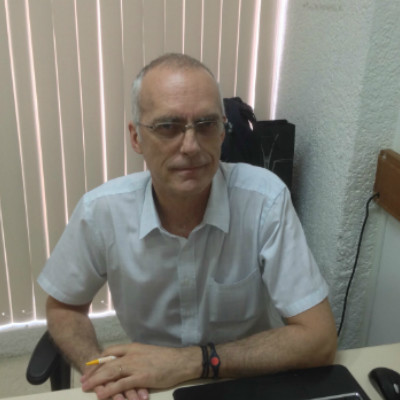
All classes gathered for the training of health professionals are already closed and the project is currently in its final phase, of assessment. This is what Ruy Casale, Infrastructure and Logistics Coordinator, explains. “We have started the phase when the production becomes a vast material for researching and understanding the mental health and basic care reality in Brazil”.
Still according to Ruy Casale, there is the idea of building an observatory of Caminhos do Cuidado in the future, where all data collected by the project may be made available.
Objectives achieved
The Coordinator explained also that one of the main objectives of the project was offering training opportunity to health professionals in very remote municipalities. “Our commitment was to the offer and we had an expressive result, as we have offered about 292,000 vacancies and 285,000 students were actually registered. That is, the variation was of approximately 2%, between the number of vacancies offered and the number of registrations”.
Strategic support
Fiotec was present during the entire implementation of Caminhos do Cuidado, and, in accordance with the project advisory, was the main partner in the unique, if not innovative, effort of taking training to health professionals of the entire country. Fiotec workers were displaced to work in the project office, downtown Rio de Janeiro, for about one year. The proximity to the Caminhos do Cuidado team made the processes easier and, mainly, faster.
“We had to see to payments of stipends, scholarships, contracting of meals and other infrastructure resources in each of the cities where the project was performed. There was a massive volume of work. The project statement registers more than 40,000 financial transactions made. Fiotec was absolutely essential. And the very special characteristic of the project, requiring the institution to redesign itself for meeting the demands, was the thing generating mobilization the most”, the Coordinator Ruy Casale emphasized.
*With information from the website of project Caminhos do Cuidado.


